Incense Sticks Yoga and Wellness Practices
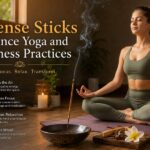
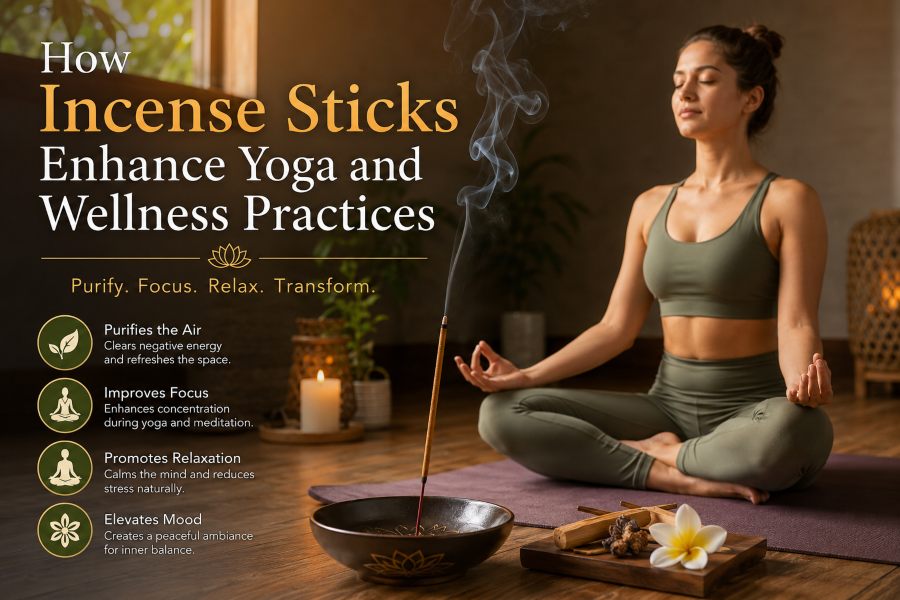
Have you ever noticed how a yoga session can feel completely different when the room carries a gentle, natural fragrance? The difference may seem small, but scent can influence how we enter a practice, how we breathe, and how easily we leave everyday distractions behind. Buy Premium incense sticks/agarbatti can become part of that experience when used thoughtfully, especially during meditation, pranayama, gentle yoga, or evening relaxation. The purpose is not simply to make a room smell pleasant. A carefully chosen fragrance can help create a recognizable ritual that tells the mind, this is my time to slow down.
Why Scent Matters During Yoga
Yoga is often described through physical movements: stretching, balancing, twisting, and strengthening. Yet anyone who practices regularly knows that the environment matters too.
Your surroundings can either encourage concentration or constantly pull your attention away. A noisy room, harsh lighting, clutter, or strong artificial odors can make it harder to settle. A calm space with soft lighting and a familiar fragrance can create a different mental atmosphere before the first pose begins.
This is where Incense Sticks can have a useful role.
When an incense stick burns, fragrance gradually spreads through the room rather than appearing all at once. That slow change can become part of the transition from ordinary activities into a quieter practice.
Think of it as a simple psychological signal.
You light the incense.
You arrange your mat.
You take a few slow breaths.
Your phone goes aside.
The practice begins.
After repeating this sequence regularly, the ritual itself may help you shift gears.
Incense Sticks and the Power of a Yoga Ritual
A yoga practice does not always begin when you perform the first asana. Often, it begins several minutes earlier.
The small preparations matter because they create separation between the rest of your day and your time on the mat.
For some people, lighting Incense Sticks becomes one of those preparations. The fragrance becomes associated with stillness, meditation, prayer, or mindful movement.
This doesn’t mean incense has magical powers. Rather, there is a practical behavioral principle involved: repeated environmental cues can become associated with particular mental states and routines.
If you use the same sandalwood fragrance before meditation every evening, for example, that scent can eventually become part of the ritual surrounding your meditation practice.
The fragrance isn’t doing the practice for you.
It is helping define the space in which you do it.
A Small Ritual Can Make Practice Easier to Start
One of the biggest obstacles to yoga isn’t always lack of motivation. Sometimes it is simply the transition from a busy day into a focused activity.
A short pre-yoga ritual can reduce that friction.
You might:
- Light one incense stick.
- Dim the room lights.
- Put your phone on silent.
- Sit quietly for two minutes.
- Take several slow breaths.
- Begin with gentle movements.
The entire process can take only a few minutes, yet it gives your mind a clear starting point.
How Different Fragrances Can Shape the Atmosphere
Not every fragrance creates the same feeling. Personal preference plays a major role, but different traditional incense ingredients are often associated with particular types of spaces and practices.
Sandalwood for a Calm, Grounded Setting
Sandalwood is one of the most familiar fragrances used in spiritual and contemplative settings. Its warm, woody character can work particularly well with slow yoga, meditation, prayer, and quiet breathing exercises.
The appeal of sandalwood is its understated quality. It doesn’t necessarily demand attention. Instead, it can sit quietly in the background while you concentrate on your practice.
Floral Fragrances for Gentle Practices
Floral incense may suit restorative yoga, stretching, or evening relaxation.
A softer floral fragrance can make a room feel welcoming without turning the session into something overly formal. If you already enjoy floral aromas, they can add a pleasant sensory dimension to your routine.
Herbal and Earthy Notes for Mindful Movement
Earthy or herbal fragrances can complement practices that emphasize grounding and awareness.
For example, someone doing slow mobility exercises or a meditative yoga sequence may prefer a fragrance that feels natural and subtle rather than sweet or intense.
The best incense isn’t necessarily the strongest one.
The right fragrance is the one that supports your practice without becoming the focus of it.
Incense and Meditation: Creating a Clear Mental Boundary
Meditation requires attention, and attention is easily scattered.
You may sit down intending to meditate for fifteen minutes and suddenly remember an unanswered message, tomorrow’s appointment, or something that happened earlier in the day.
A consistent meditation environment can help establish a mental boundary.
Using Incense Sticks as part of that environment gives the practice a recognizable sensory cue. Over time, the familiar sequence of lighting incense, sitting down, breathing slowly, and remaining still can make the transition into meditation feel more natural.
There is also something valuable about repetition.
When the same small ritual happens day after day, it can turn an occasional wellness activity into a habit.
Can Incense Make Breathing Exercises Better?
This requires a little care.
Pranayama and other breathing practices involve deliberately controlling or observing the breath. Because you are consciously inhaling, the quality of the surrounding air deserves attention.
Incense should never be used in a poorly ventilated room simply because you want a stronger fragrance.
If you enjoy incense during breathing exercises, consider:
- Using only a small amount.
- Keeping a window slightly open when appropriate.
- Avoiding excessive smoke.
- Choosing a fragrance that feels comfortable to you.
- Stopping immediately if the smoke irritates your eyes, nose, throat, or breathing.
- Avoiding incense around anyone who is sensitive to smoke.
The goal of a wellness practice is to feel better, not to fill the room with as much smoke as possible.
The Difference Between Fragrance and Smoke
This distinction is easy to overlook.
People often focus on the fragrance of incense while forgetting that burning incense also produces smoke and combustion by-products. A pleasant smell does not automatically mean that inhaling the smoke is beneficial for the lungs.
That is why moderation and ventilation matter.
For yoga studios and home practitioners, a sensible approach is to use incense as an environmental element rather than treating it as something that needs to burn throughout an entire session.
For example, you might light one stick before practice and allow the fragrance to establish the atmosphere. You can then extinguish it before doing longer breathing exercises if the smoke becomes noticeable.
This approach preserves the ritual without making smoke the center of the experience.
How Incense Sticks Can Support Mindful Living Beyond Yoga
The usefulness of incense doesn’t have to end when your yoga session does.
Many people practice wellness through small daily rituals rather than dramatic lifestyle changes. A few minutes of quiet in the morning can be just as meaningful as a long weekend retreat.
You might use incense while:
- Reading a spiritual book
- Practicing meditation
- Doing morning prayers
- Journaling
- Performing gentle stretching
- Sitting quietly before bedtime
- Practicing gratitude
- Creating a peaceful personal space
The common thread is intentionality.
When you deliberately create a peaceful environment, you are giving yourself permission to pause.
Why the Ritual May Matter More Than the Fragrance
This is perhaps the most interesting part.
Imagine two people using exactly the same sandalwood incense. One lights it casually while scrolling through social media. The other lights it, puts the phone away, sits on a yoga mat, and spends twenty minutes practicing quietly.
The incense is identical.
The experience isn’t.
That difference shows why wellness isn’t really about adding more products to your routine. It is about creating conditions that support better habits.
Incense Sticks can be a cue, but your attention is what gives the ritual meaning.
The fragrance can signal the beginning of practice. Your breathing, movement, awareness, and consistency do the rest.
A Simple Incense and Yoga Routine to Try
If you want to incorporate incense into your practice, keep the routine uncomplicated.
Step 1: Prepare the Space
Clear your yoga mat area and remove unnecessary distractions. Keep the room comfortable and reasonably ventilated.
Step 2: Choose a Gentle Fragrance
Select an aroma you genuinely enjoy. Sandalwood, mild floral, herbal, or other natural-smelling fragrances can work depending on your preference.
Step 3: Light One Incense Stick
Place it securely in an appropriate incense holder, away from curtains, paper, clothing, pets, and other combustible materials.
Step 4: Pause Before Moving
Instead of immediately starting your yoga sequence, sit quietly for one or two minutes.
Notice the fragrance. Notice your breathing. Let your attention move away from whatever happened earlier.
Step 5: Begin Slowly
Start with gentle breathing and simple movements before moving into more demanding poses.
Step 6: Finish in Silence
At the end of your practice, remain still for a few minutes. You don’t need to rush back into your normal routine.
That final pause may become one of the most rewarding parts of the session.
Choosing Incense for a Wellness Practice
When selecting Incense Sticks, don’t judge quality only by how powerful the fragrance is.
Look at the overall experience.
Consider:
- Fragrance: Is the aroma pleasant rather than overpowering?
- Smoke level: Does it produce more smoke than you are comfortable with?
- Burning time: Does it suit the length of your practice?
- Ingredients: Is the product information clear and transparent?
- Personal sensitivity: Does the fragrance feel comfortable when you are nearby?
- Purpose: Are you using it for meditation, yoga, prayer, relaxation, or simply creating a pleasant room?
A subtle fragrance is often more appropriate for yoga than an extremely strong scent that competes with your concentration.
Making Incense Part of a More Meaningful Wellness Practice
Yoga isn’t only about flexibility or physical strength. For many practitioners, it becomes a way to create a little space between stimulus and reaction.
Incense can complement that intention when used thoughtfully.
The fragrance marks the beginning. The quiet room supports concentration. The yoga mat creates a physical boundary. Your breathing brings attention inward. And the repeated ritual gradually becomes familiar.
That’s where Incense Sticks can enhance a yoga and wellness practice—not by replacing mindfulness, but by helping create an environment where mindfulness feels easier to begin.
Used sparingly, with sensible ventilation and attention to personal comfort, incense can add warmth, familiarity, and sensory character to your yoga routine.
The real benefit comes from what happens after the match is lit: you slow down, breathe, move with awareness, and give yourself a few uninterrupted minutes to simply be present.